CÕEM
Computational Poetics & the Materialization of Language explores a space where code becomes poetry, poetry becomes form, and language gains dimension. Under the principle CODE + POEM → CÕEM, the project reimagines how text is written, performed, visualized, and experienced in the digital age—blending computation, voice, motion, and design into a new, collective form of expression.
What is CÕEM?
A New Form of Expression
CÕEM is a hybrid discipline that merges classical literary craft with modern computation. A system where text, sound, and emotion are transformed into interactive, multi-sensory works.
Poetry Re-Coded
Every “cõem” begins with an open exchange between poets, artists, and engineers—ensuring technology is guided by humanistic, poetic intention.
Philosophy
At CÕEM, technology reshapes poetry and poetry reshapes technology. By elevating written and spoken language into 3D visualizations, point clouds, sound sculptures, and live immersive systems, CÕEM explores how code and poem can merge into new expressive forms. Guided by a humanistic approach to AI, the project treats poetic structure as a design framework, testing whether technology can hold emotional complexity rather than merely process linguistic patterns.
CÕEM 001 — Poets’ Pulpit
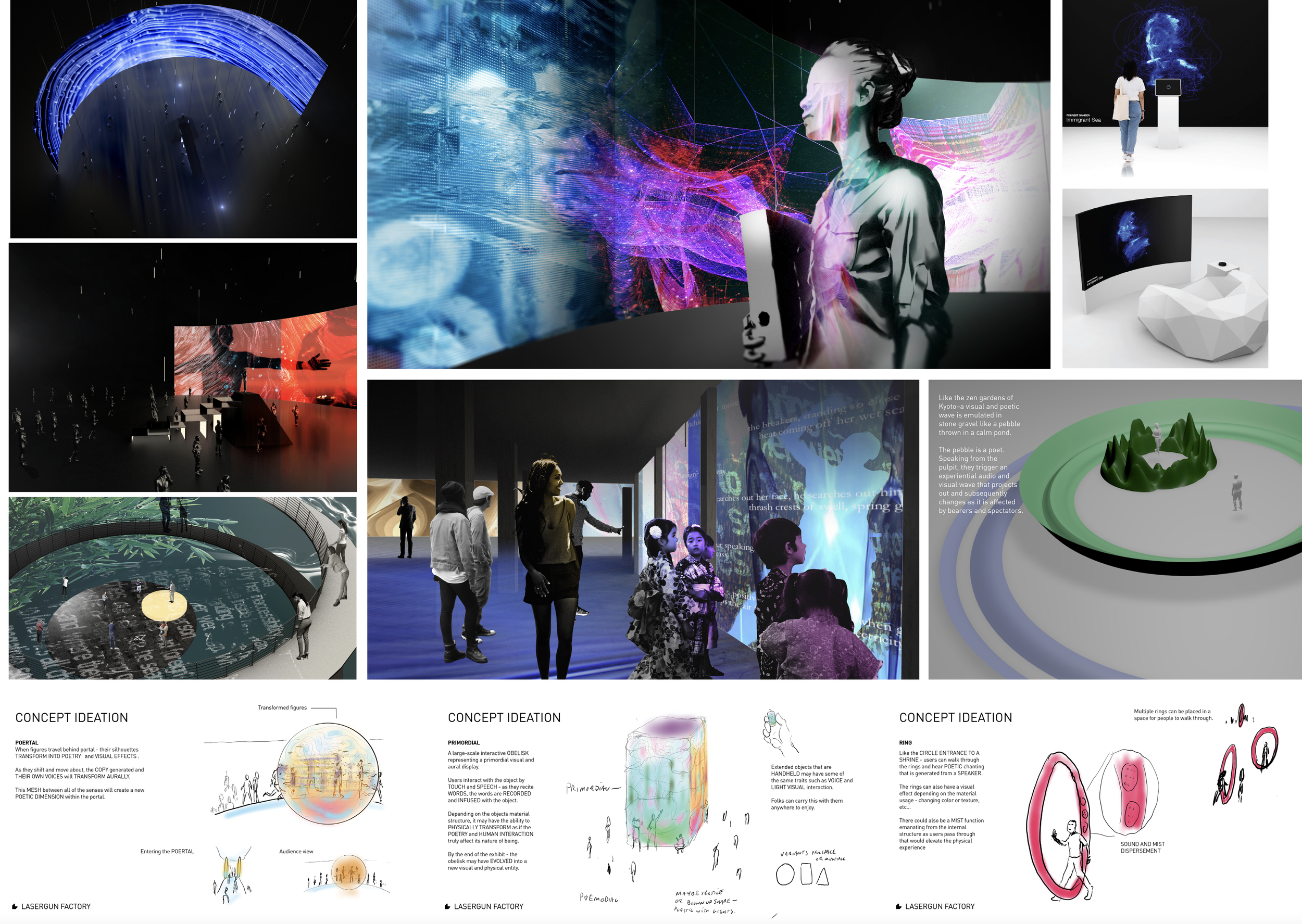
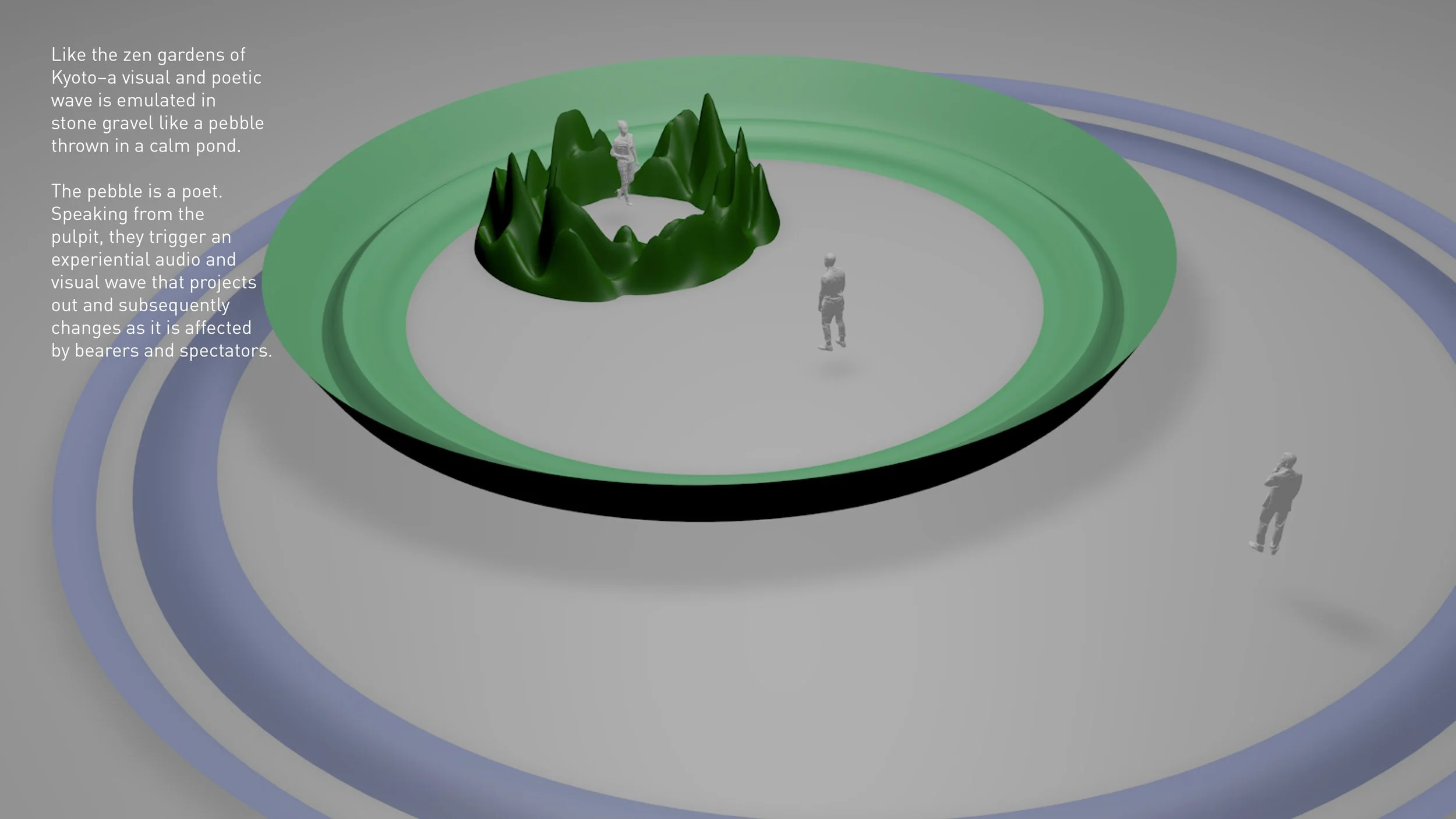
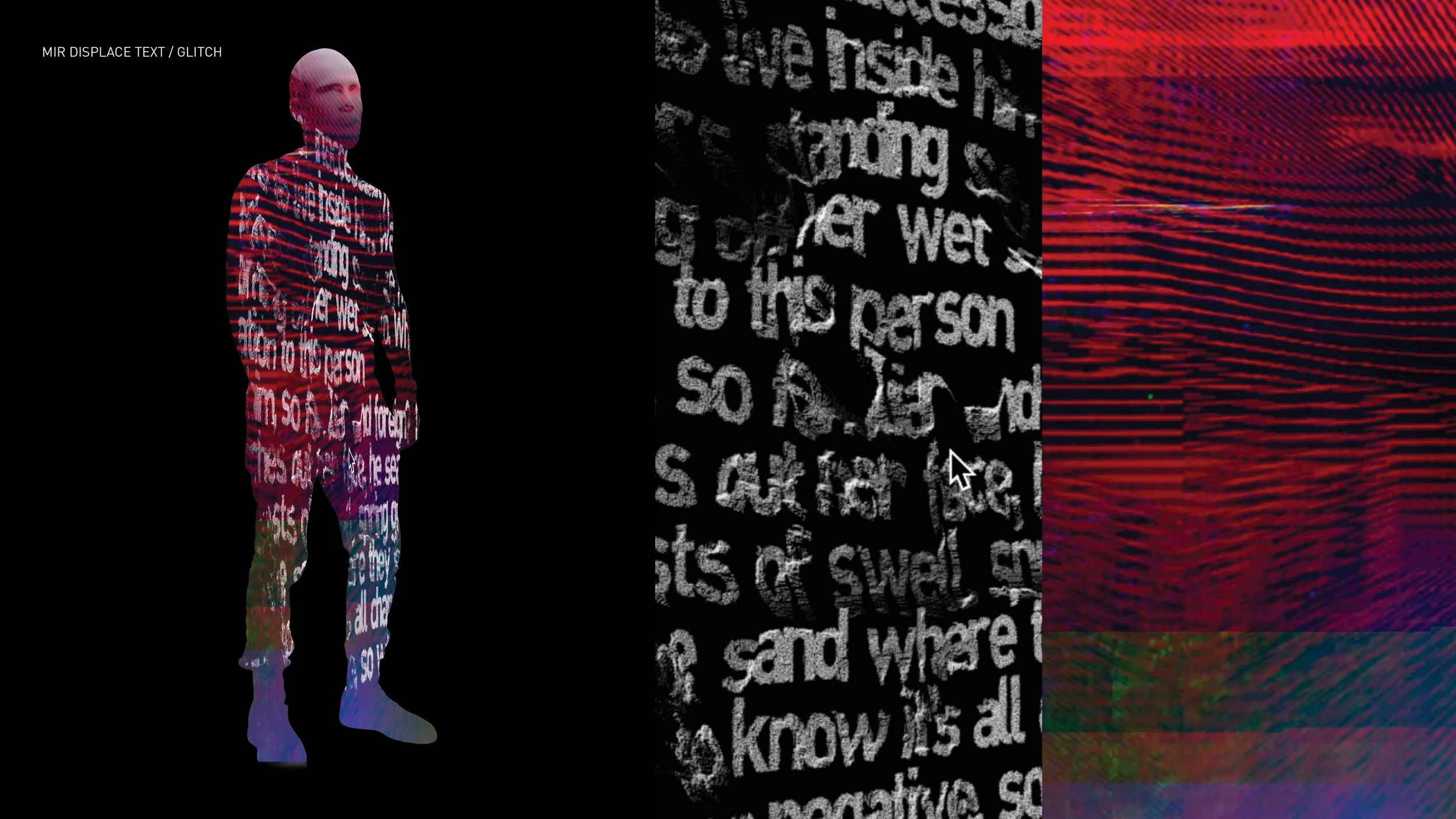
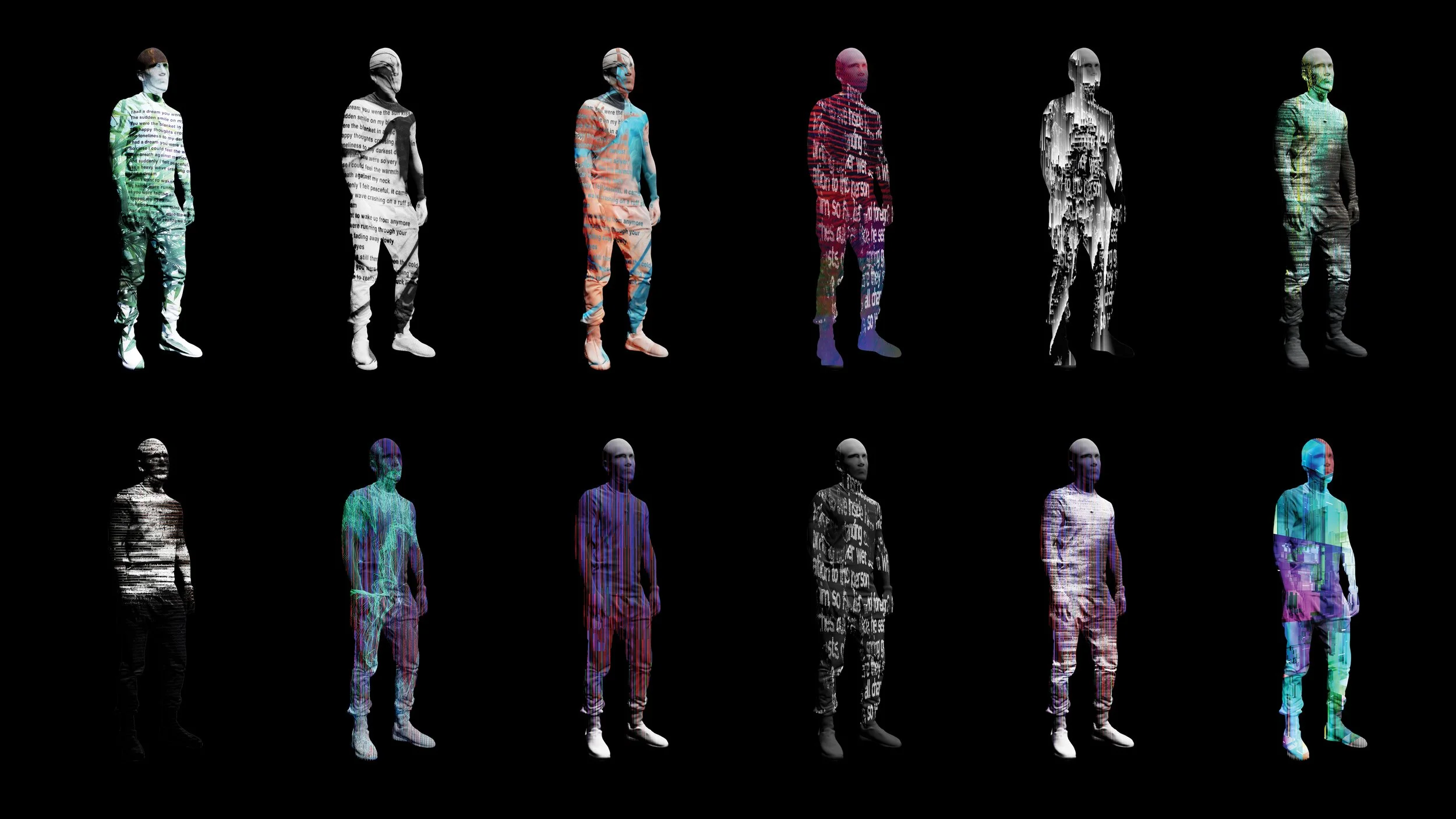
Poet’s Pulpit was a large-scale concept for a live, collective audio-visual installation where spoken word becomes an evolving digital performance. Powered by the VOIS Engine (Voice Optic Intelligence System), the piece blends real-time speech, motion, and visualized sound into a responsive chorus.
Projects
Roles and Experiences
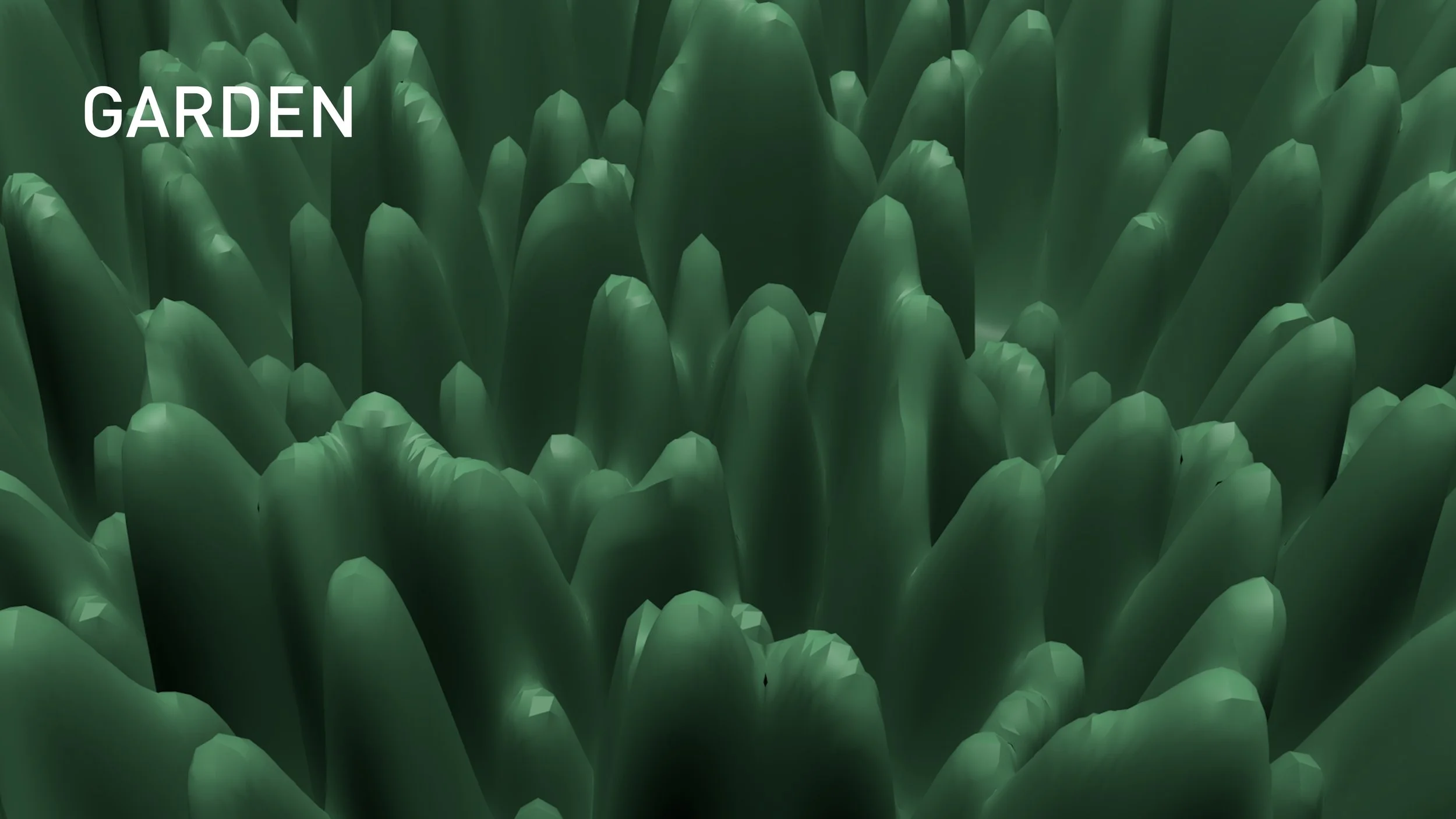
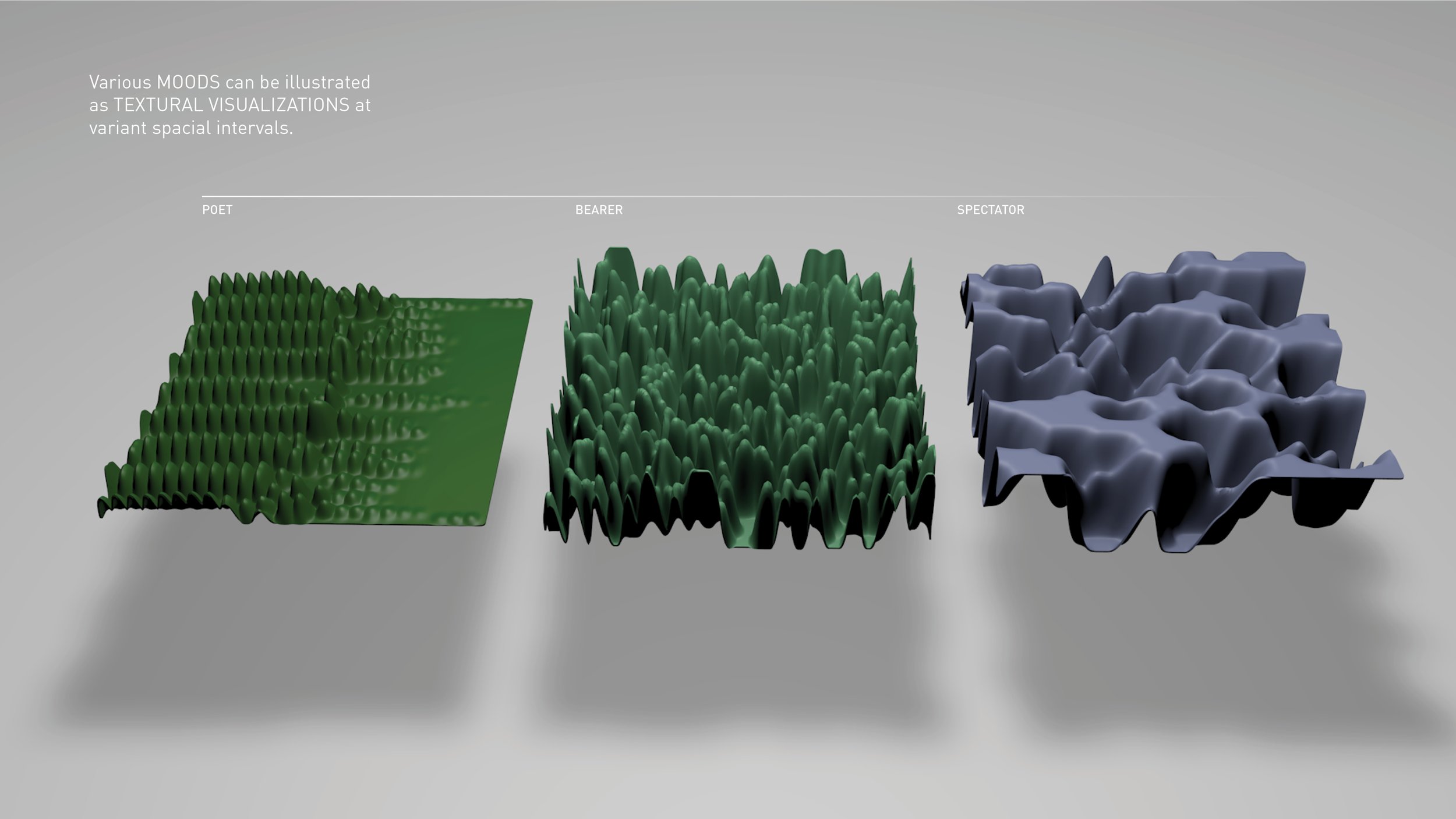
Participants take on distinct roles: the Poet provides the central voice, Bearers shape the output through movement and interaction, and Spectators influence the atmosphere through their presence and choices. The installation unfolds across two interconnected spaces—an interactive gallery with stations for text, voice, scans, and motion remixing, and a larger performance environment where the pulpit, projection systems, and spatial effects merge to create a shared, ever-shifting poetic experience.
CÕEM 002 — POETraits
3D Portraiture Reimagined Through Language
POETraits is a synaesthetic portrait system that merges 3D scans, written poetry, spoken voice, and visual generative design into living, time-based digital sculptures. Built with Unity, VFX Graph, and audio-reactive point clouds, each portrait becomes a dynamic interplay of language and form.
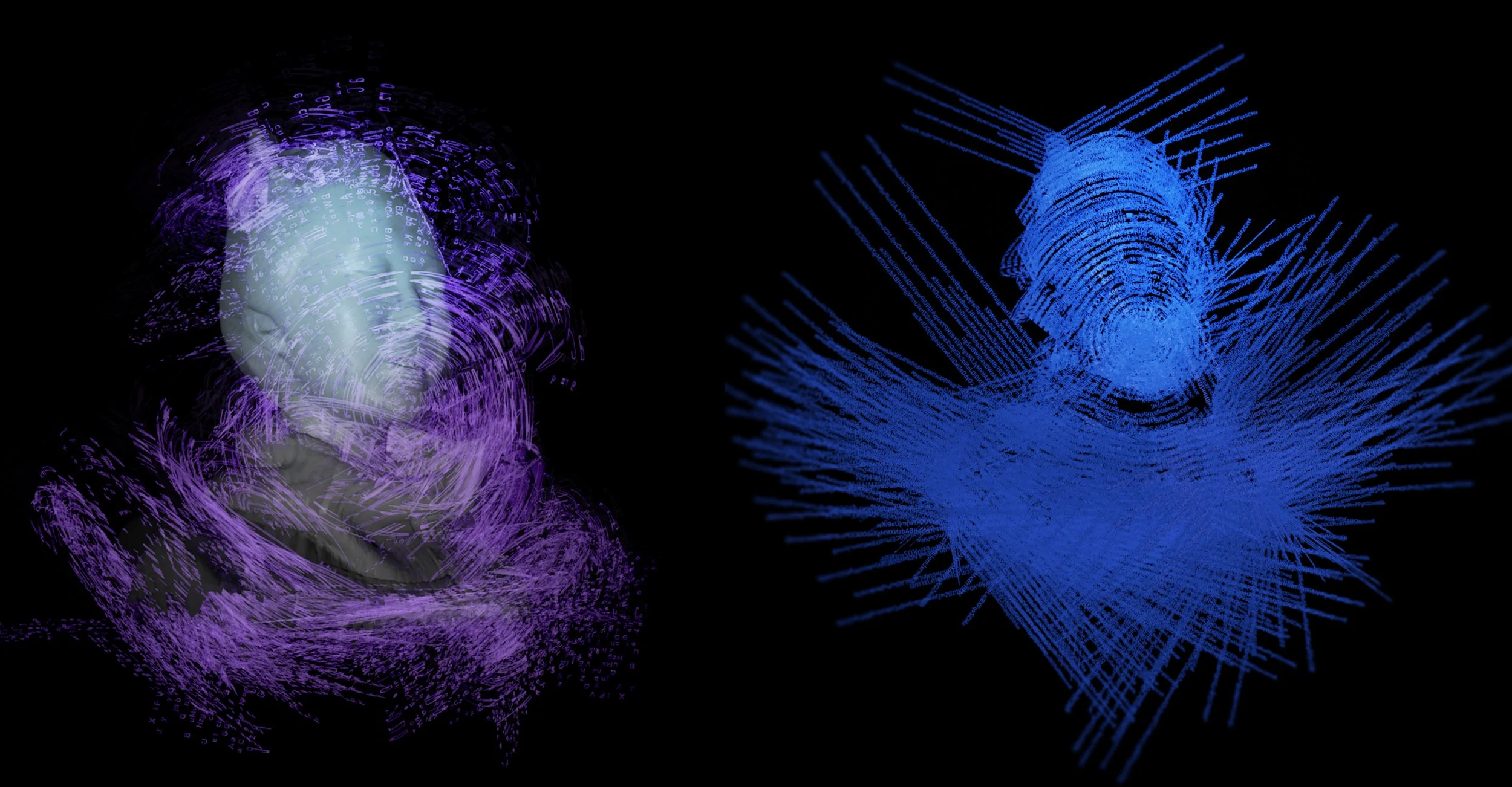
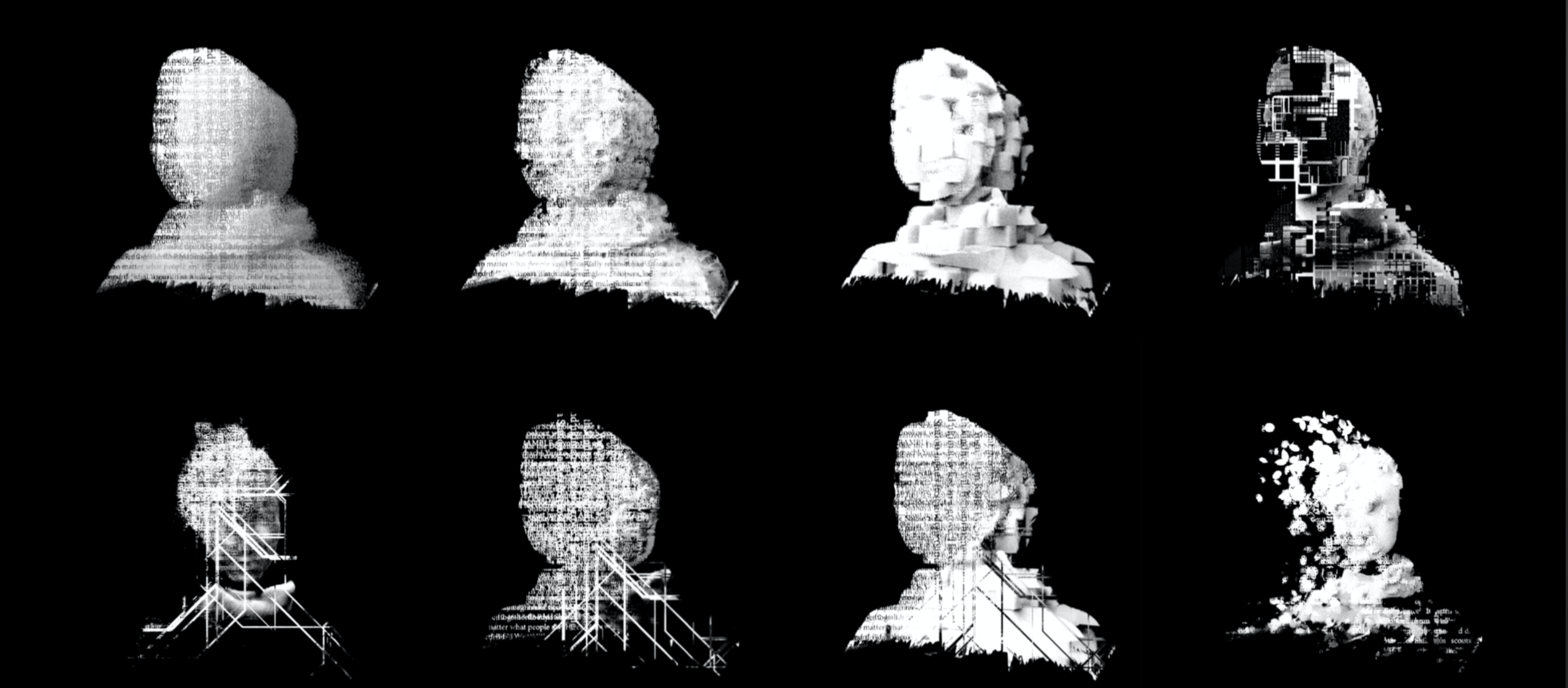
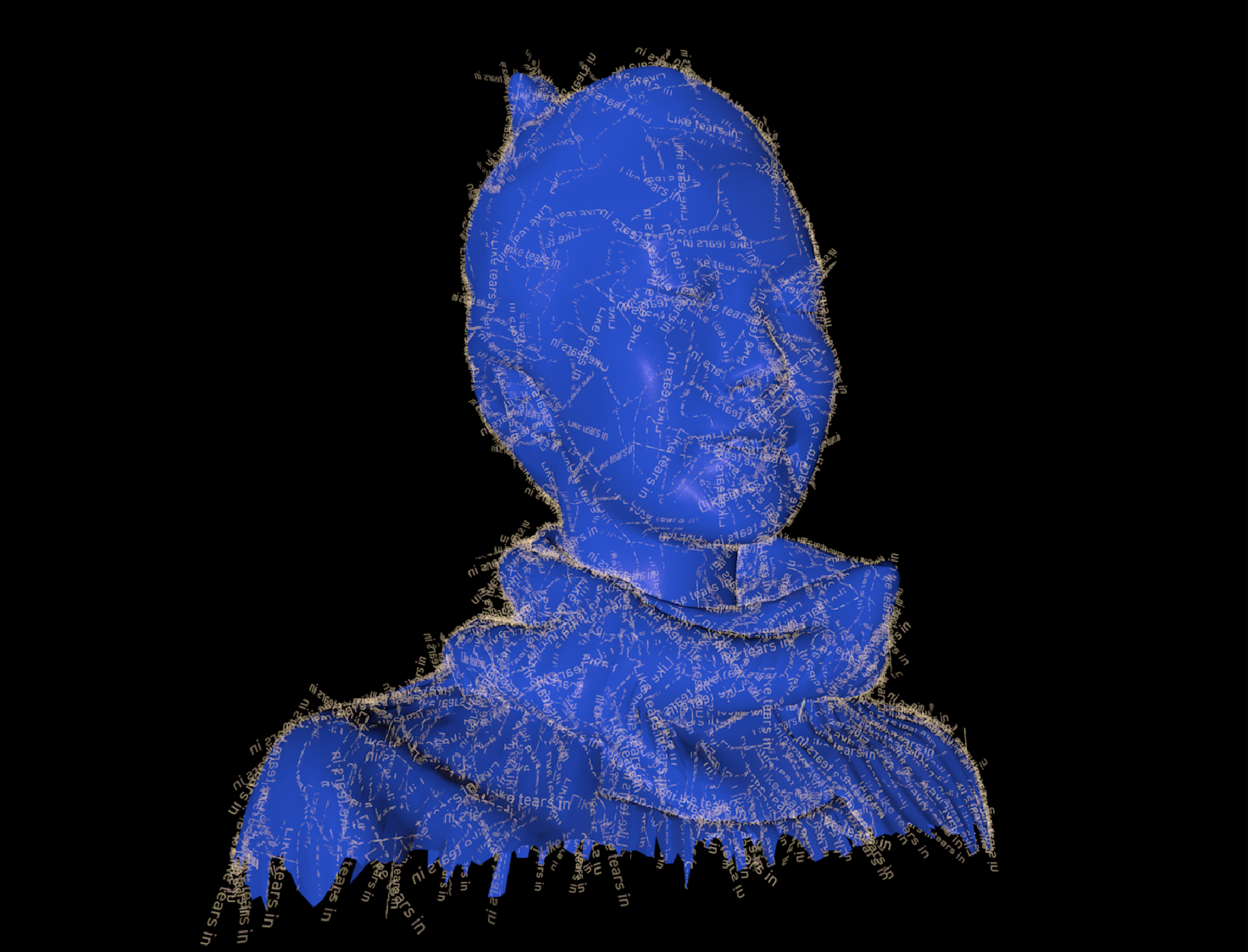
The system now expands further through bespoke short films created in collaboration between poet and director, transforming each piece into a cinematic interpretation of the subject’s inner voice. Additional conceptual visualizations are produced across multiple mediums—including 2D/3D design, sound-reactive graphics, algorithmic processes, LiDAR-based scans, Gaussian-splatting reconstructions, and AI-generated imagery—resulting in deeply layered, multi-sensory portraits unique to every visitor.
CÕEM 003 - WASHI App
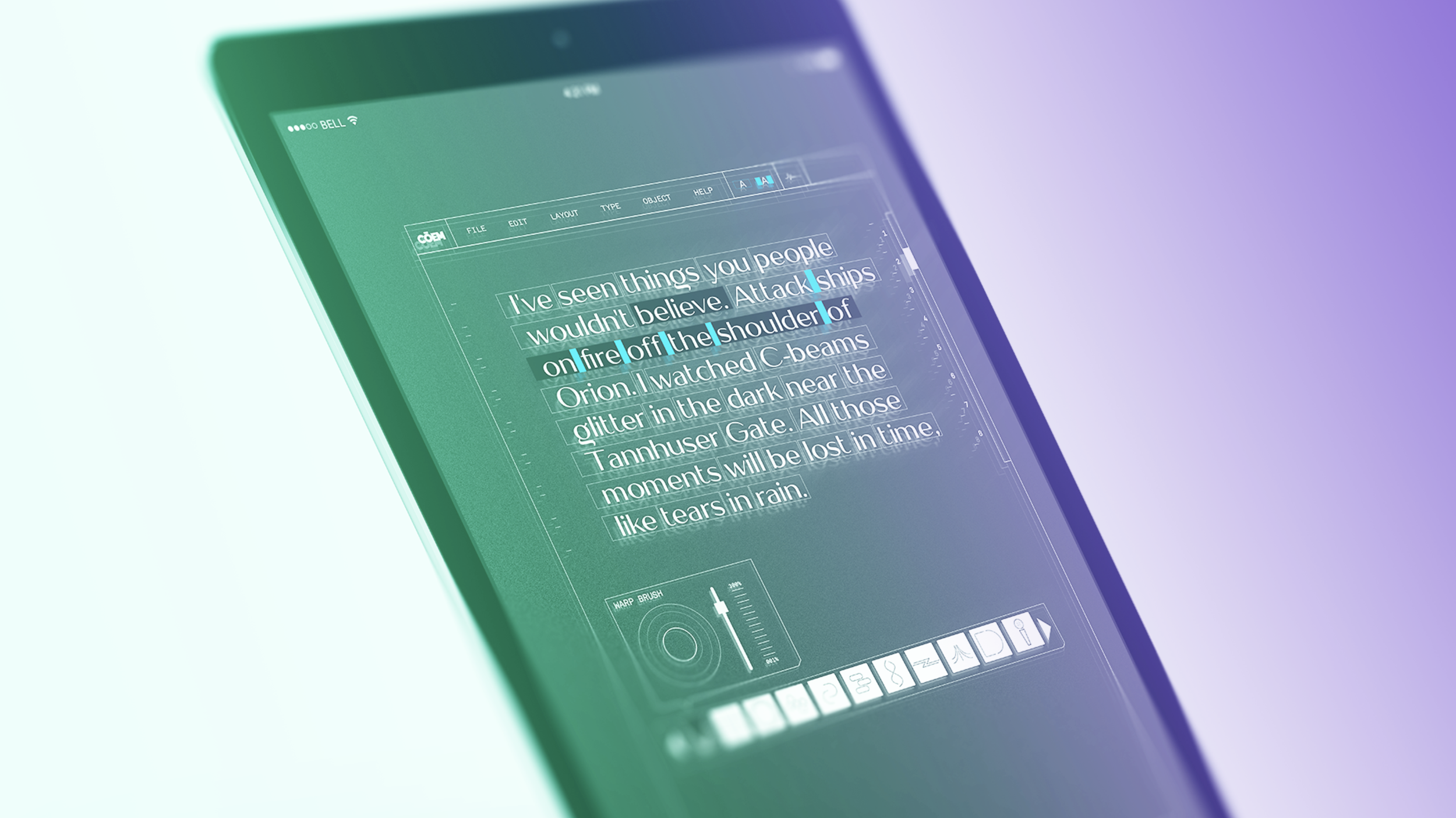
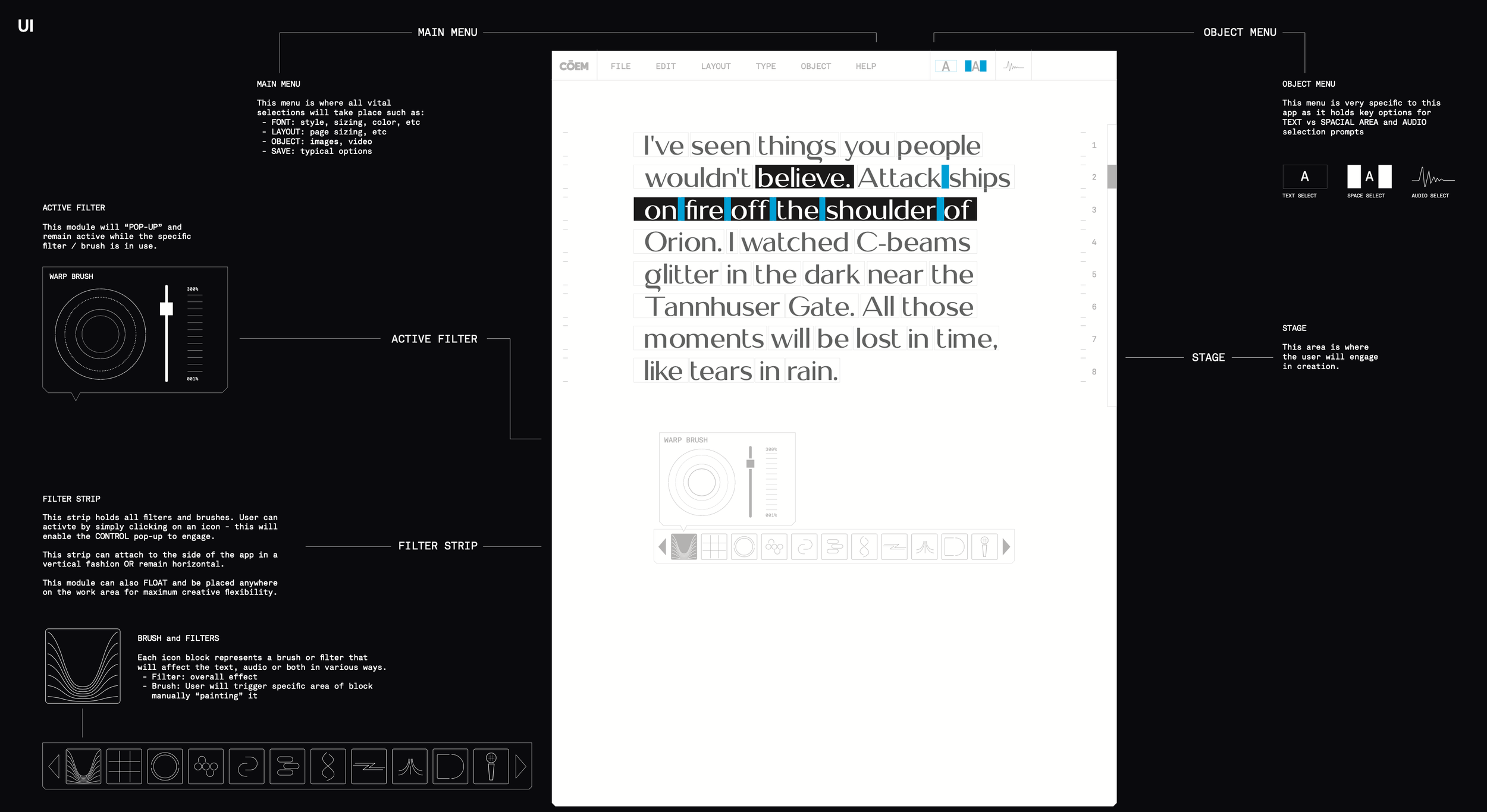
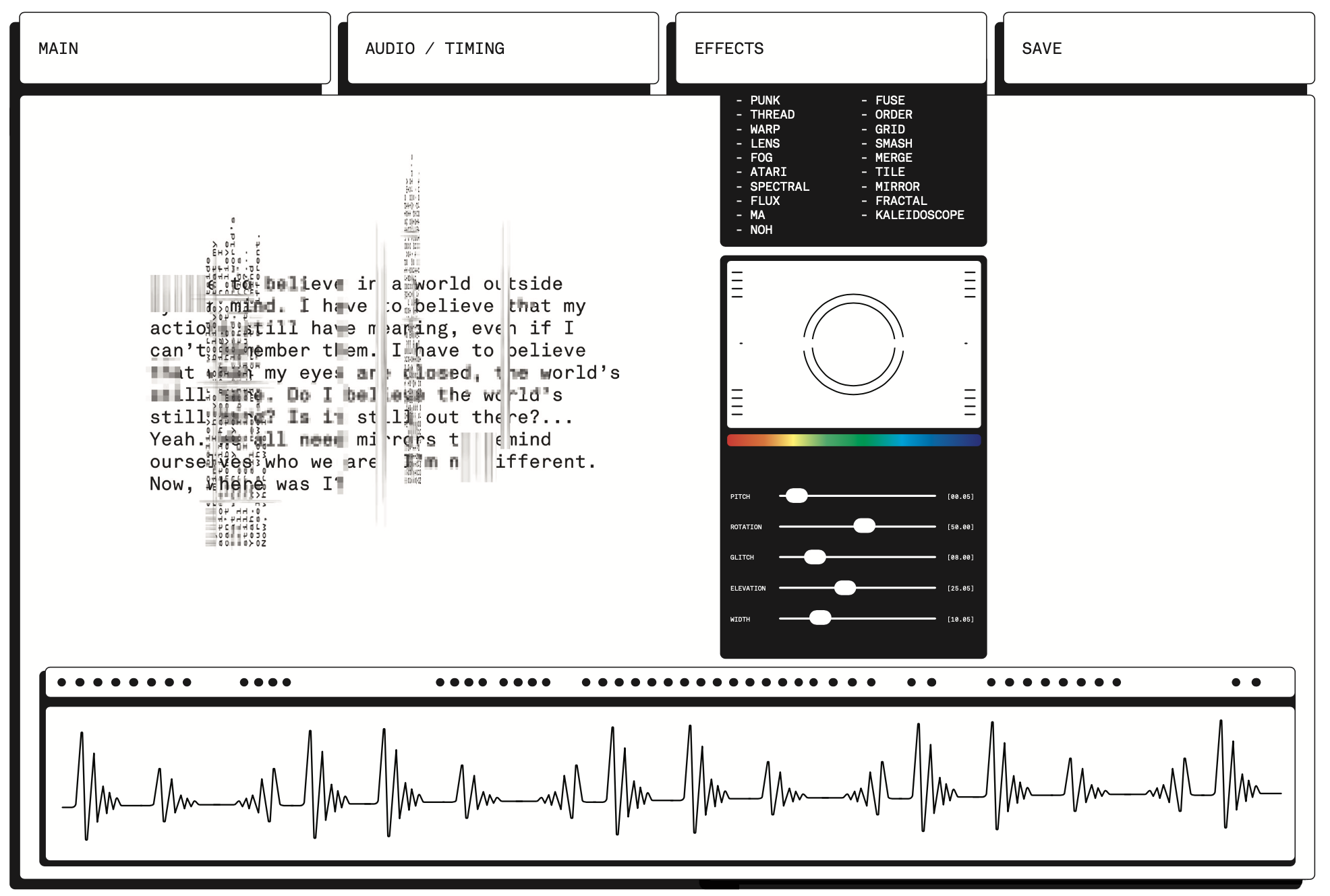
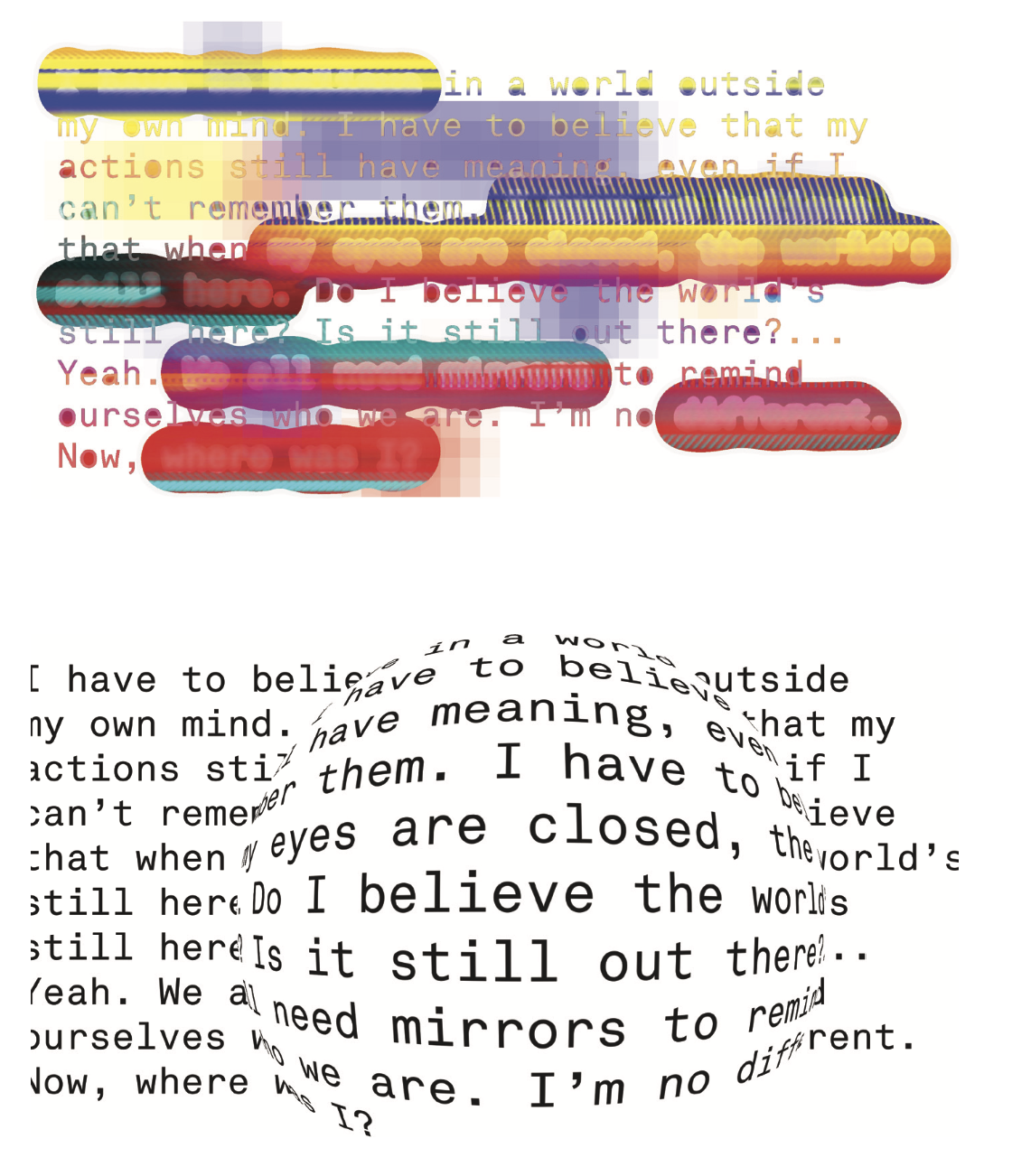
WASHI is a minimal, expressive creation tool that treats poetry as a sculptural medium. The interface allows users to shape text and sound through intuitive controls for font, color, layout, volume, timing, cadence, and negative space. Generative brushes, filters, and spatial tools enable works to evolve beyond the page, with options to export 3D/OBJ forms or motion-based outputs including MOV, H.264, and GIF. Designed as a holistic poetic instrument, WASHI turns language into a living visual–audio composition.
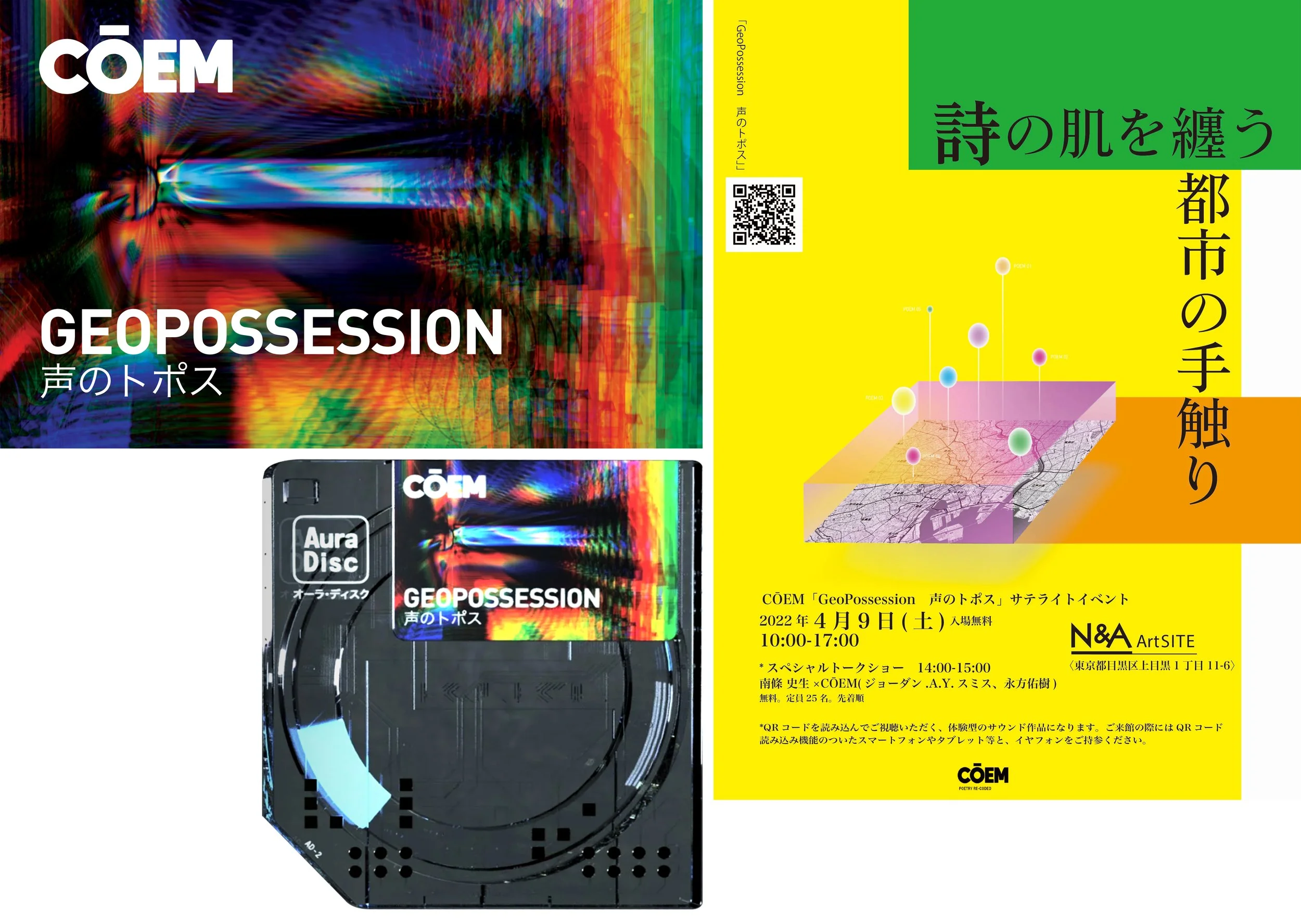
CÕEM 004 - GEOPOSSESSION — Tokyo in Audio Holograms
GEOPOSSESSION is a series of site-specific audio holograms recorded across Tokyo. Each piece combines on-location poetic readings with 3D spatial sound, creating immersive, kinetic sonic experiences. In collaboration with Kalkul, the project maps literary voice into the acoustic textures of the city—blending poetry with the urban soundscape.
Featuring readings by leading Japanese writers, including Ito Hiromi, Furukawa Hideo, Shimada Masahiko, Kojima Keitani Love, Sugimoto Maiko, Fujii Sadakazu, Takahashi Mutsuo, Nukata Masashi, Matsuura Hisaki, Hosaka Kazushi, Suga Keijiro, Jordan A. Y. Smith, and Nagae Yūki.
CÕEM
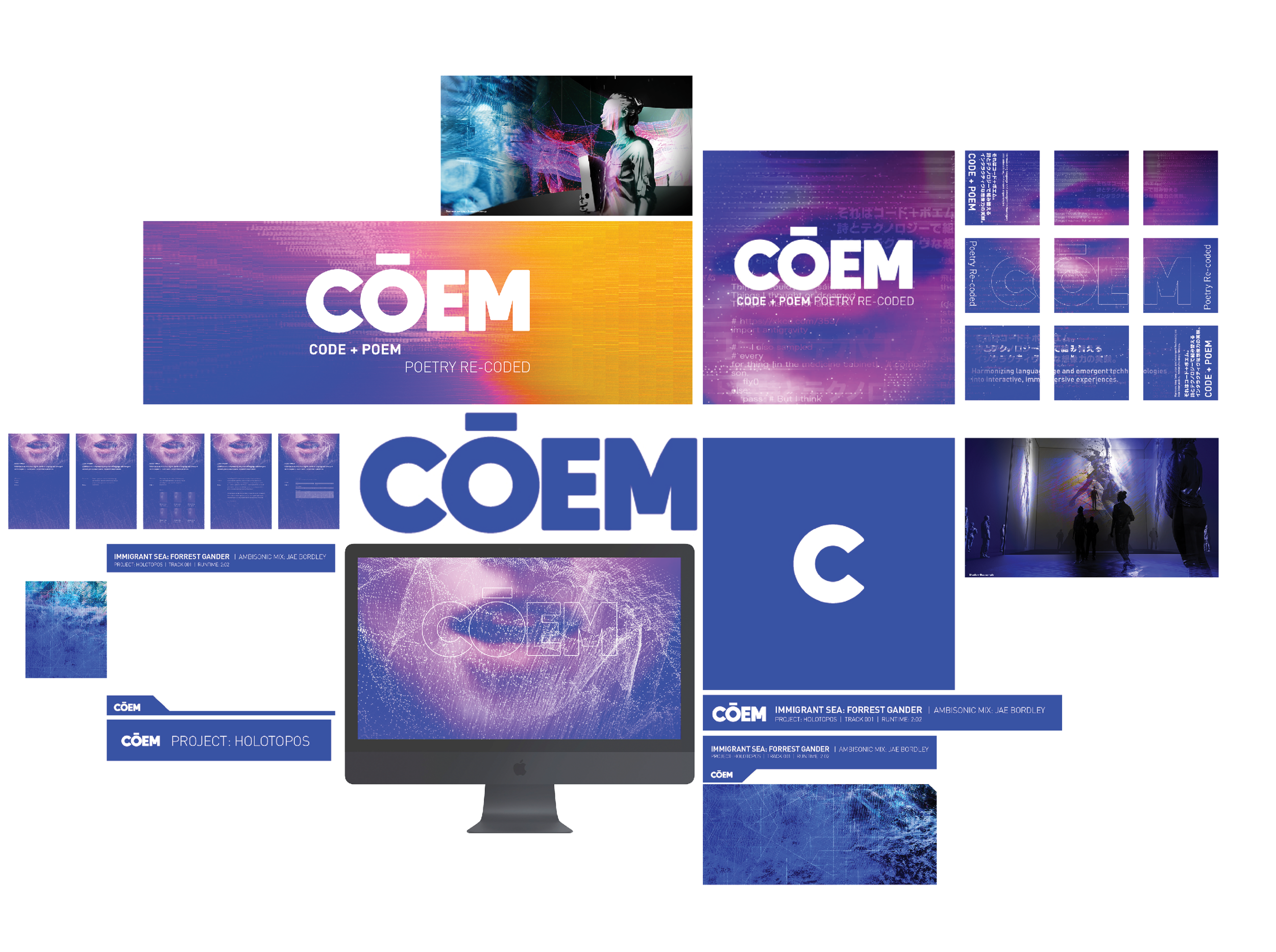
COEM stands as a space where language, sound, and computation converge into new poetic dimensions. A continuum of code, voice, and visual form, COEM operates as an evolving field of experimentation—shaping new modes of expression while inviting creators and audiences into a shared poetic ecology.
The Collective
CÕEM is an Interdisciplinary Global Team of Poets, coders, designers, animators, curators, translators, and sound engineers—working as one, standing at the intersection of art, immersive tech, and computational literature—advancing how humans interact with language itself.
Founders
Todd Silverstein – Poet bridging literature and technology
Jordan A.Y. Smith – Poet and translator shaping multilingual futures
Yuki Nagae – Poet pioneering poetry’s evolution from 2D to 3D
Creative & Technical Architecture
Jason Scuderi (Lasergun Factory) – Interdisciplinary Artist & Creative Director Bridging Brand Worlds and Experimental Poetics
Keijiro Takahashi – High-performance graphics, VFX Graph, LASP, point cloud pipelines
Adam Varga – XR / Oculus prototyping
Patrick Stein – Core software engineering
Audio Team: Darin Dahlinger, Jae Bordley, Jeff Miyahara
My Role
I had the honor of serving as COEM’s Creative Technology & Visual Systems Director, shaping the collective’s aesthetic and technical identity. Drawing from my dual practice in commercial design and contemporary art, I helped architect new visual languages for computational poetry — developing interactive systems, spatial experiences, and multi-sensory artworks that bridged code, language, and form. My role brought together creative direction, art–tech experimentation, and world-building, contributing to COEM’s mission of expanding how poetry is seen, heard, and experienced.